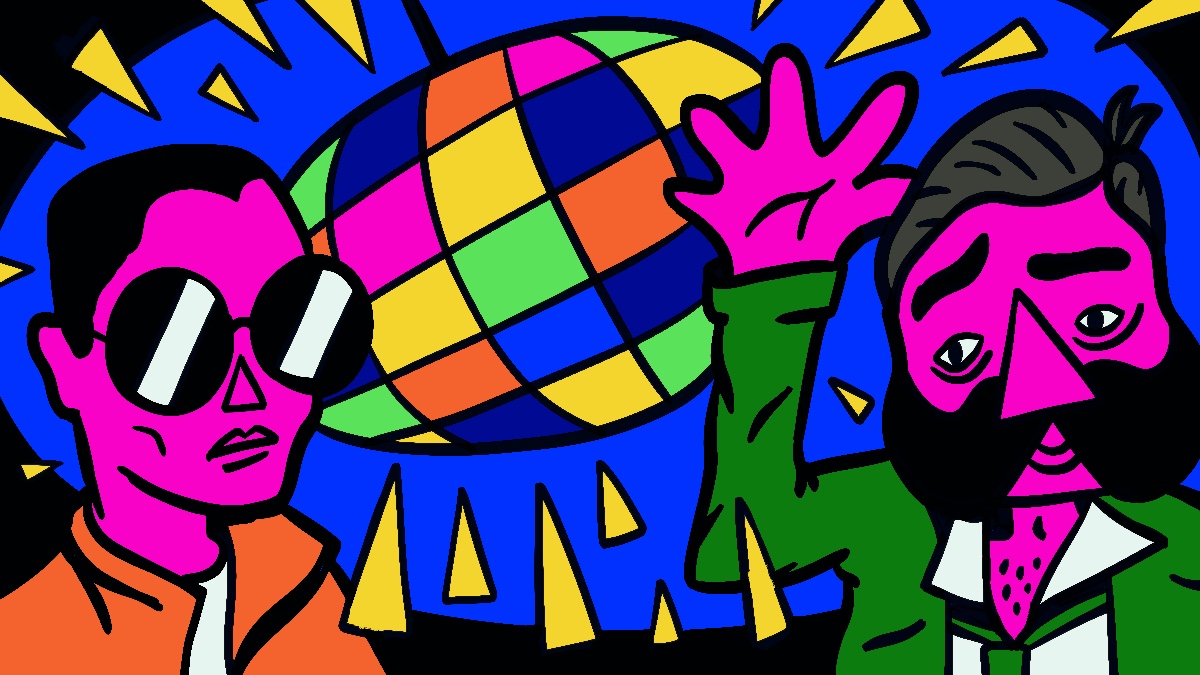
Disco Elysium is a great modern work of art and storytelling. It’s a work of art that transcends its medium (a role-playing video game) and engages thoughtfully and expertly with many cultural and narrative themes (too many to mention here), while also telling a compelling story that ingrains itself in your mind the longer you reflect on it.
Some context
In Disco Elysium, you play as an amnesiac and substance-addicted detective, desperately searching for clues with which to solve a homicide case. Along your investigation, you can choose which skills to invest in, thus shaping your character. Play like a brute and you will become stronger and more aggressive. Play as a sensitive thinker and you will become more skilled at conceptualizing abstract ideas. Any political or ideological stance that you adopt, however, will be painfully and honestly criticized by the game’s writing, deftly portraying each stance in the cold, stark light of reality.
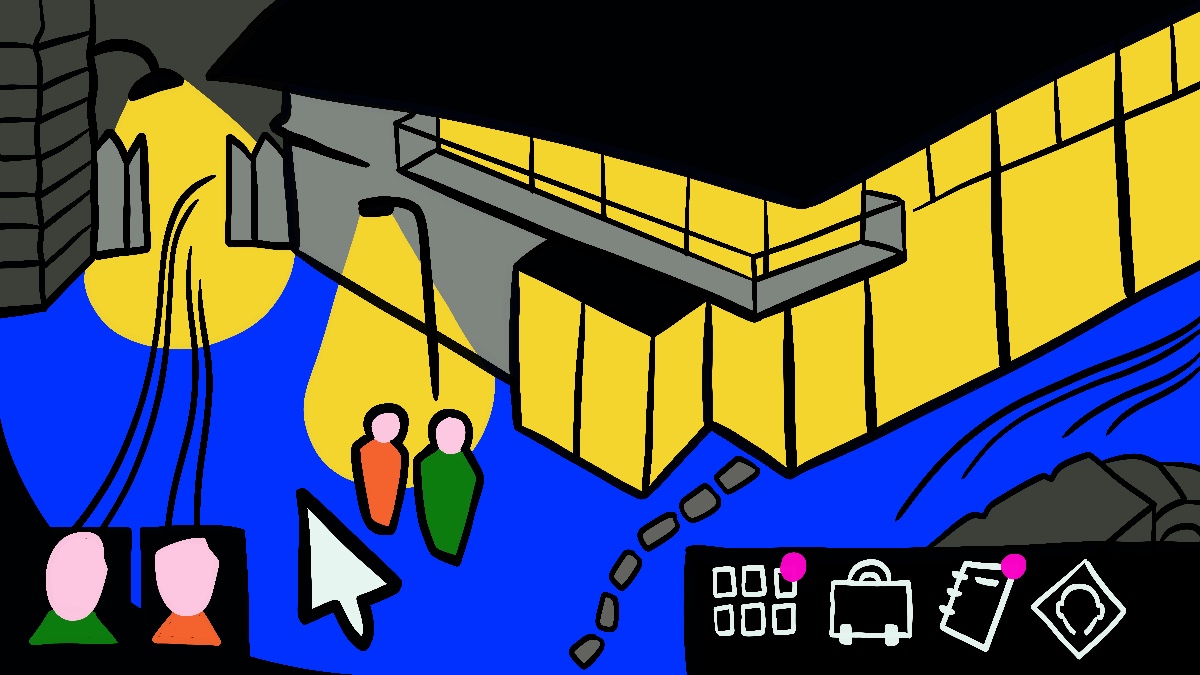
It’s ironic, then, that the cultural forces which underpin its narrative would also spell its demise. Corporate greed and capitalism indeed are primarily to blame for the disastrous breakup of the founding company’s team that initially created the game (ZA/UM). Ever since its initial release in 2019, Disco Elysium has been inspiring many other creators to envision similar works, both inside and outside of the interactive medium.
The Art
The impressionistic art style (created by Aleksander Rostov), bursting with vibrant color and prominent painterly brush strokes, has been amalgamated and produced en masse by other artists, aiming to copy its iconic look. Of course, now with generative AI, it makes it much easier for the copying of this particular art style, further diluting the impact of similar work. We’ve seen this happen with other art styles: once it becomes commonplace, the original art ceases to be mythic and sadly becomes meh.
One of the core creators of Disco Elysium’s world, Argo Tuulik, has recently founded an independent studio with a rather unique vision. Summer Eternal’s brilliant manifesto decries the corruption of art by business, further exacerbated by increasingly accessible large-language models which give the illusion of depth and intelligence, but which lack any kind of human ingenuity or connection. It’s refreshing to see a modern game development company, ran by creatives and not executives, push for innovation and creativity over sheer profit.
So where do we go from here?
It’s easy to fall into the doomer mindset of how technology and generative AI is advancing to the point of “replacing jobs”, flooding the internet with cheap and disposable AI slop, further degrading how the public views art. Disco Elysium relays similar themes of how the world has become a shadow of its former glory: in other words, utter shit. However, my opinion is that we as artists and creators don’t have to just sit back and watch. Disco Elysium portrays characters who try their best to carry on, even in the face of complete hopelessness, because the world still contains beauty, even though it may seem bleak.
Here is the advantage we as human creators have over generative AI: every day that we live, we experience inspiration in some form, whether it be from classic art, television shows, sign typography, video games, vintage textbooks and posters, stamps, music videos, commercials, experiences, and the list goes on forever. We catalogue all of this visual and artistic information subconsciously and use it to inform our design decisions, leading to us developing taste over time. Good taste cannot be taught or contained in code.
Critical feedback on our work is repurposed into revisions, figuring out along the way what works and what doesn’t. This process of ingesting information, creating, and refining work is what makes human art and design shine. In order for generative AI to fully replace us, it must also replace this process. A process which needs an almost limitless amount of data, energy, and time (of which may not even exist).
Even though technology is constantly improving, it’s clear that we still don’t know everything. How does the human mind work? Where do ideas come from exactly? These are all questions that humans have been asking for a long time. And we’re still not any closer to the answers. Maybe in the near future, generative AI will subsume entry-level design work (a sad prospect), therefore making those jobs near extinct, but they will never fully replace all design, because design is everywhere and we will never stop creating.
A final note
A brief quote from Summer Eternal’s manifesto, which I think succinctly sums up the current AI vs. human tension:
“Machine-generated works will never satisfy or substitute the human desire for art, as our desire for art is in its core a desire for communication with another, with a talent who speaks to us across worlds and ages to remind us of our all-encompassing human universality.”
So keep on learning, creating, and improving. Our hope lies in us and our capability to adapt and solve problems. We got this!